Renters Insurance Explained: The Cheapest Coverage No Renter Should Skip
A landlord's insurance doesn't cover a single thing you own. Renters insurance costs less than a streaming subscription and covers a lot more than most tenants realize.
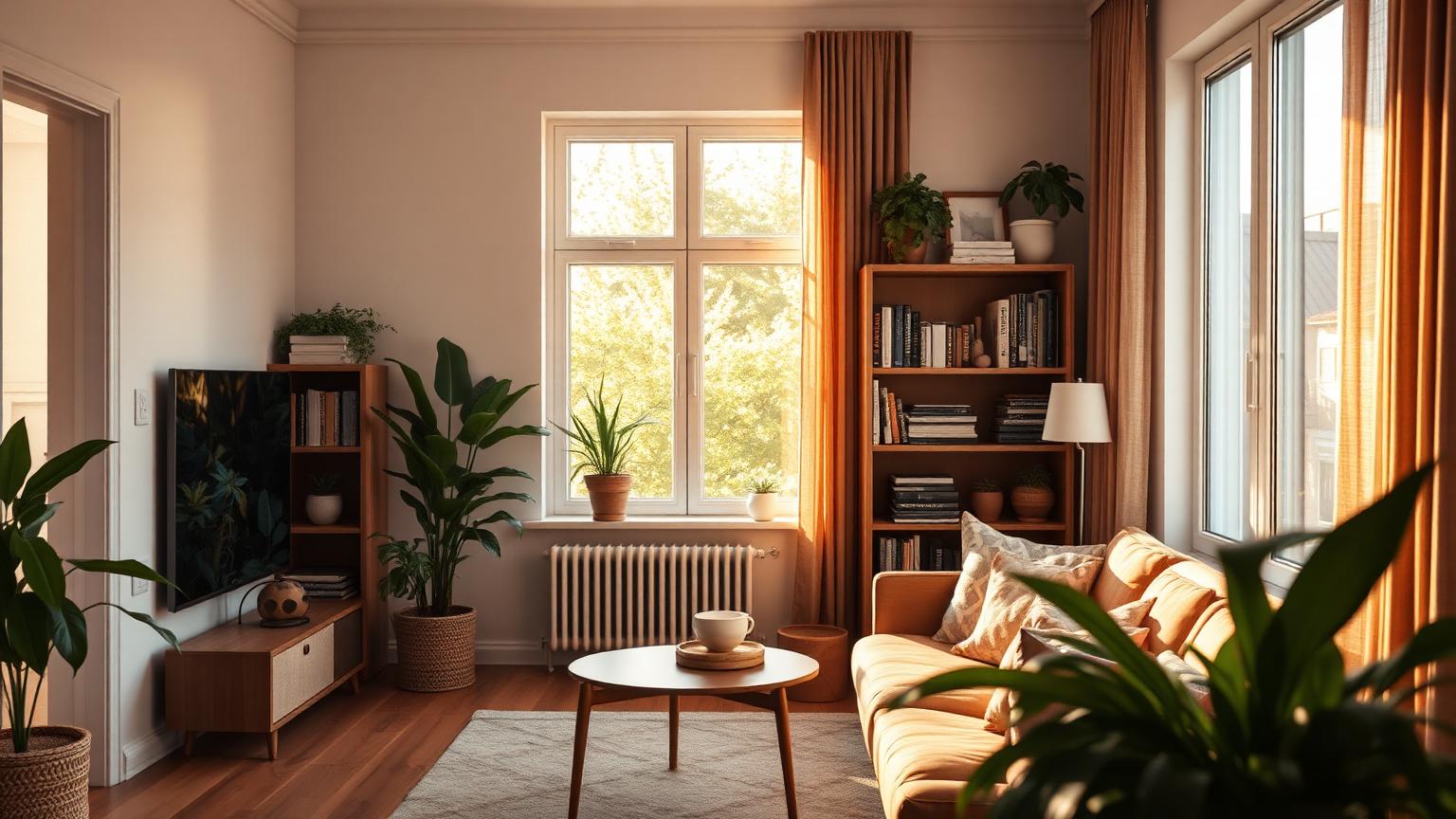
If you rent your home, renters insurance is probably the single highest-ROI purchase in your entire financial life. For roughly the cost of two coffees a month, it protects everything you own, your legal liability, and your ability to keep a roof over your head after a disaster. Yet the majority of renters skip it — usually because they misunderstand what their landlord's policy actually covers.
What Your Landlord's Insurance Actually Covers
The landlord's policy covers the building. It does not cover:
- Any of your belongings
- Your liability if a guest is injured in your unit
- Your relocation costs if the building becomes uninhabitable
- Damage you cause to the building itself
If a fire in the unit next door destroys your apartment, the landlord repairs the walls. Your furniture, laptop, clothing, and everything else are gone — and paying to replace them is entirely your problem.
The Three Sections of a Renters Policy
1. Personal Property
Pays to replace your belongings after a covered peril — fire, theft, vandalism, water damage from burst pipes, and more. Choose replacement cost coverage rather than actual cash value; the small premium bump means you receive today's replacement price rather than the depreciated value of a 6-year-old couch.
2. Personal Liability
Covers legal defense and damages if you're found responsible for injuring someone or damaging their property. Applies at your rental and almost anywhere else — including if your dog bites someone at the park.
3. Loss of Use / Additional Living Expenses
Pays hotel, meals, laundry, and other extra costs while your unit is uninhabitable. On even a two-week displacement, this coverage alone can pay for years of premiums.
What It Costs
Renters insurance is remarkably cheap: typically $12 to $25 per month for $25k to $50k of personal property, $100k to $300k of liability, and standard loss-of-use coverage. Bundling with auto insurance often reduces the auto premium by more than the renters premium costs — making the coverage effectively free or better.
What Renters Insurance Does Not Cover
- Flood damage (add a separate NFIP or private policy)
- Earthquake damage (separate endorsement)
- Bed bugs and pest infestations
- Intentional damage
- Damage from your business activities (with narrow exceptions)
The Sub-Limits to Watch
Like homeowners policies, renters policies impose sub-limits on jewelry, watches, firearms, cash, and business property. If you own a nice engagement ring or a valuable instrument, schedule it with a personal articles endorsement.
Common Renter Mistakes
- Choosing actual cash value. You'll receive a fraction of what it costs to replace anything more than a few years old.
- Under-estimating property value. Do a room-by-room walkthrough — most renters underestimate by 30% or more.
- Ignoring liability limits. Bumping from $100k to $300k typically costs $2 to $4 per month.
- Assuming a roommate is covered. Only a spouse or immediate family member is covered by your policy. Everyone else needs their own.
Real-World Example
A young professional in Chicago paid $14/month for renters insurance. A neighbor's dishwasher malfunctioned overnight, flooding both units. Her belongings sustained roughly $8,400 in damage. Her insurer paid out under replacement cost coverage, and loss-of-use paid for a hotel and meals for the nine days her unit was drying out. Total claim: over $12,000. Total she'd ever paid in premiums: $336.
Expert Insight
"There is no other insurance product where a single average claim can be worth 20 years of premiums. Renters insurance isn't just cheap — it's genuinely undervalued." — Marcus Chen, licensed P&C broker
Quick Summary
- Landlord's insurance covers the building, not your stuff.
- Renters coverage typically costs $12–$25 per month.
- Choose replacement cost, not actual cash value.
- Carry at least $300k liability.
- Bundle with auto for stackable savings.
Key Takeaways
- 1Renters insurance covers personal property, liability, and loss of use.
- 2Typical cost is $12–$25 per month for meaningful coverage.
- 3The landlord's policy protects only the building itself.
- 4Roommates almost always need separate policies.
- 5Bundling with auto often makes renters coverage effectively free.
Frequently Asked Questions
Does my landlord's insurance cover my stuff?
No. The landlord's policy covers only the building structure and the landlord's liability — nothing you own.
How much personal property coverage do I need?
Walk through your apartment and total the replacement cost of everything you own. Most renters underestimate — start at $25,000 and adjust up.
Does renters insurance cover my roommate?
Only if the roommate is a spouse or immediate family member. Unrelated roommates need separate policies.
Found this guide helpful?
Share it with a friend who's shopping for insurance, or explore more guides in this category.
Related articles
The Complete Homeowners Insurance Guide: Coverage, Cost, and Common Mistakes
Your home is your biggest asset. Your policy is what stands between you and having to replace it out of pocket. Here's how the coverage really works.
Flood Insurance Explained: Why Your Homeowners Policy Won't Save You
Standard homeowners policies exclude flood damage — every single one. Here's how flood insurance actually works, what it costs, and how to decide if you need it.